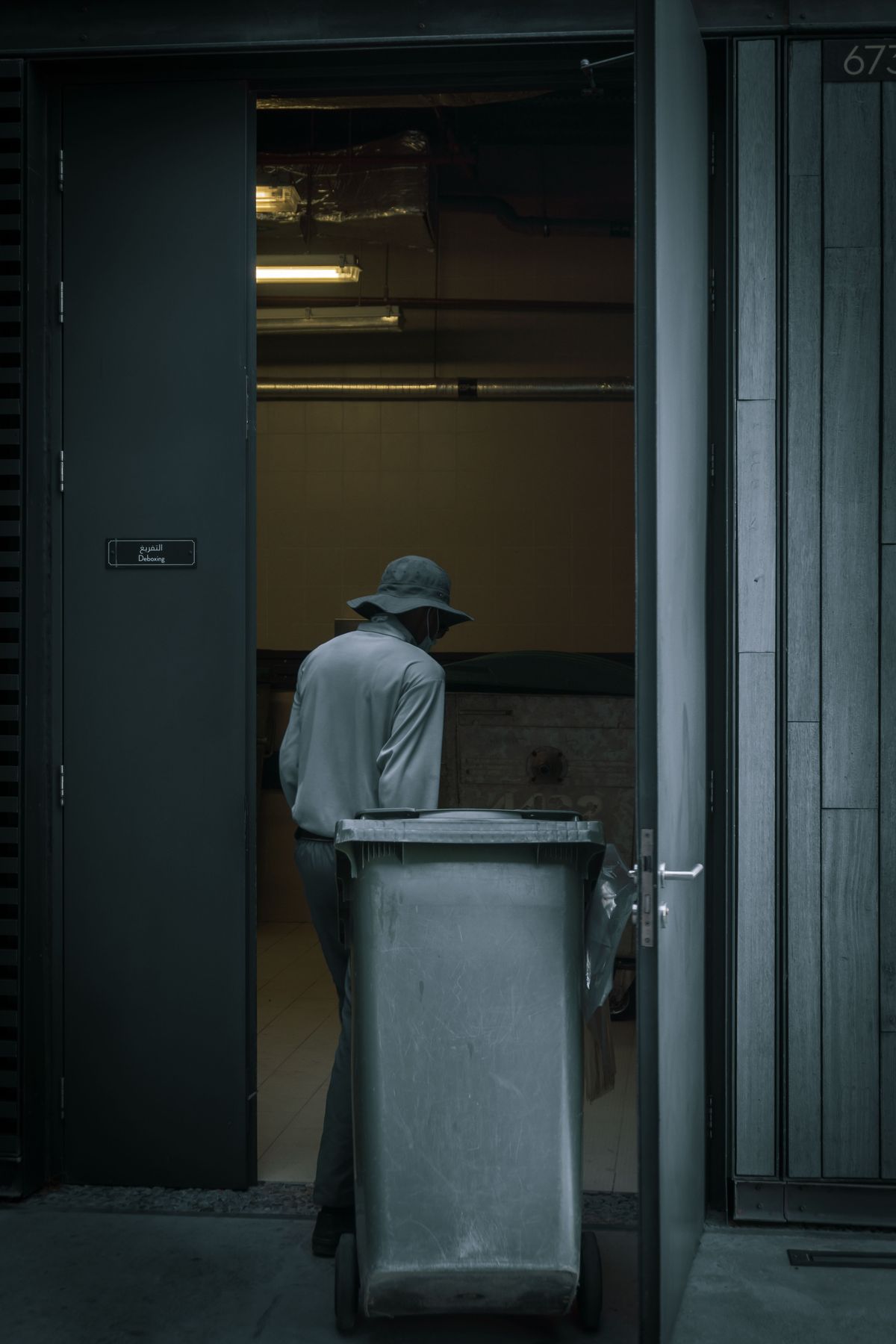
Facility managers renew contracts with contractors whose buildings look the same every morning. That consistency doesn't come from a good sales pitch; it comes from who you hire, how you train them, and how you keep them on the same buildings.
Why consistency matters more than it seems
Night crews work unobserved. A crew that knows a building knows which conference rooms get used heavily, which restroom runs out of paper first, which doors must be checked before they leave. A new crew every week starts from zero, and the client notices within days — usually in the form of a complaint email the next morning.
Hiring for reliability and judgment
- Background screening appropriate to the buildings they'll work in — some clients will have their own requirements, so ask
- A training period working alongside an experienced crew member before anyone runs a building on their own
- Clear, written expectations from day one — the scope, safety procedures, chemical handling, and how to report a problem
Train key and alarm control as seriously as cleaning
In commercial work, trust is as much about security as cleanliness. Every crew member should know how keys and cards are signed out and returned, how to arm and disarm the alarm correctly, what to do if they find a door open or something out of place, and never to let anyone into the building. One lost key or a false alarm at 2am can undo a year of good cleaning.
Give every building a site book
Write down what's specific to each account: the task list by night, where supplies are kept, restricted areas, alarm procedures, client preferences and contacts. A site book makes covering an absence routine rather than a scramble, and it means knowledge about the building belongs to your company, not to one person.
Supervise and inspect
A supervisor who visits regularly and inspects against the scope catches problems before the client does. Keep the inspection results — they're how you show a facility manager, at renewal time, that quality was managed rather than assumed.
What to do when someone has to change
Turnover happens. When a crew changes, tell the client before they notice, and have the supervisor walk the new person through the site book on their first night. A short heads-up keeps a change from reading as a slip in standards.
Retention starts before day one
The contractors with the most stable crews usually aren't lucky — they pay fairly, keep schedules predictable, give people a path to lead or supervisor roles, and treat night work as real work. Turnover is expensive in obvious ways, like rehiring and retraining, and in a less obvious one: it's the thing most likely to break the consistency your clients renew for.